
Cream separator 60W 100L/h
TOOR-18-1
€261.00excl. VAT €210.48
IN STOCK
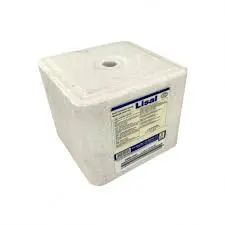
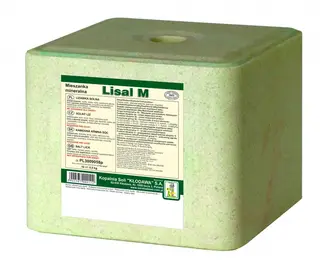
Lick stone quantities for animals
Number of lick stones
Cattle indoors one 10kg stone per 1-2 animals
Cattle outdoors one 10kg stone per 10-15 animals
Sheep one 10kg stone per 20 animals
Horses one 2kg stone per stall
Wild animals two 10kg stones per hectare
Every mineral and trace element has its own function, but they also interact – the lack of one
mineral or trace element inhibits the effect of another.
Functions of the trace elements contained in LISAL lick stones:
• Sodium (Na) - ensures the balance of salt, acid and alkali and plays an important role
in the functioning of the muscle tissue and nervous system.
• Magnesium (Mg) - stimulates milk yield and is important for preventing tetany.
Ensures normal muscle function and nerve impulses.
• Calcium (Ca) - important for skeletal development.
• Selenium (Se) - stimulates fertility, prevents muscle function disorders, improves general
health and increases the effectiveness of iodine.
• Manganese (Mn) - important for the development of the skeleton, teeth and reproductive organs.
• Iron (Fe) - stimulates the functioning of all organs and tissues and is important for oxygen
transport.
• Copper (Cu) - promotes metabolism. Not included in the composition of lick stones
intended for sheep.
• Iodine (I) - important for the effective functioning of the thyroid gland, which in turn has a
positive effect on the growth and development of animals. A sufficient amount of iodine is especially important for pregnant
cows, as it increases the number of healthy-born calves.
• Zinc (Zn) - necessary for the development of skin and bones and is also an important
component of enzymes.
• Cobalt (Co) - necessary for the synthesis of vitamin B12, which in turn ensures sufficient production of red
blood cells and thus reduces the risk of anaemia